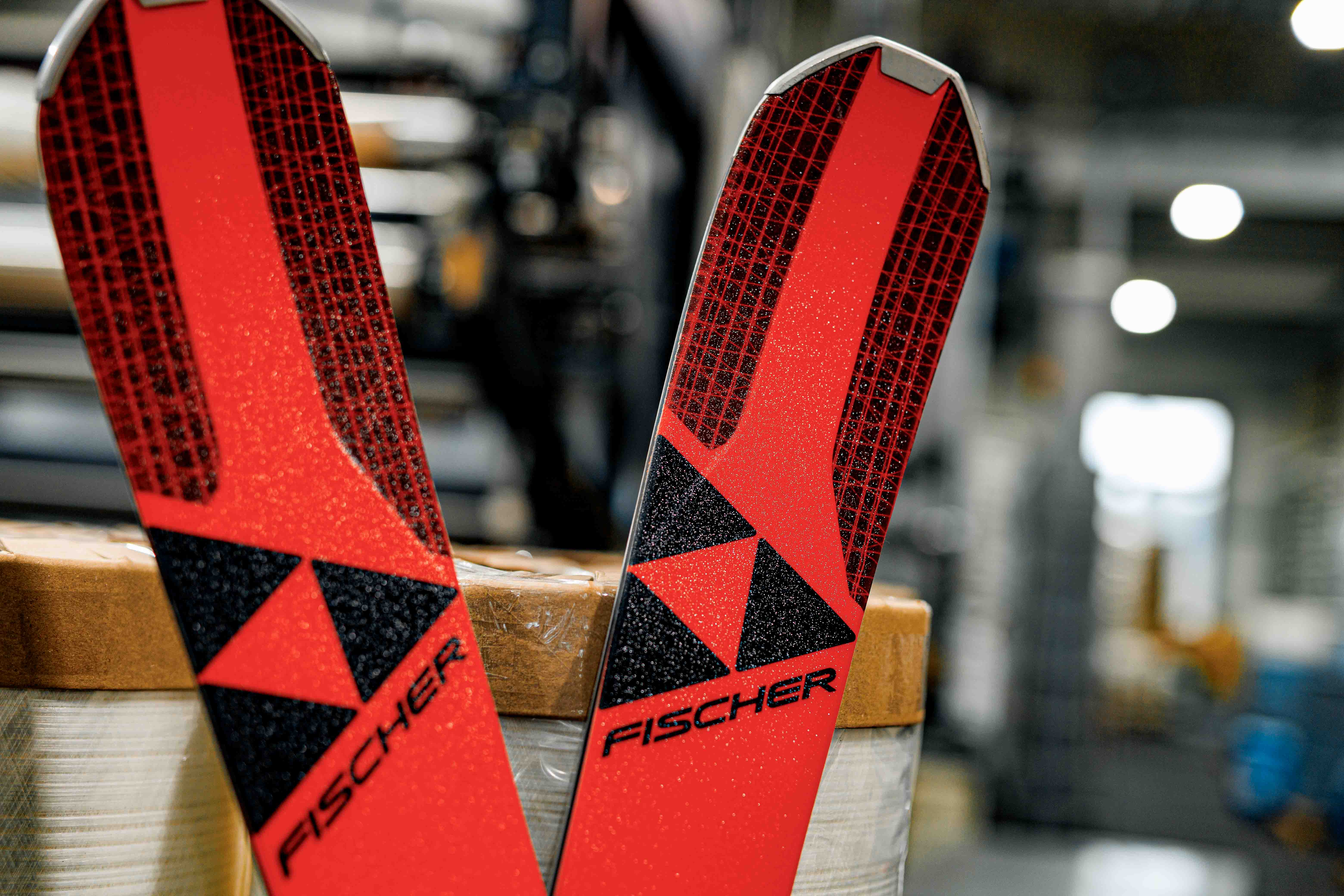
Sports equipment designed to withstand intensive loads and last a long time needs structural reinforcement.
Thanks to their structure, BAFATEX diagonal laid scrims give products the properties customers expect from high-quality sports equipment:
A ski or a tennis racket, for example, needs a controlled degree of elasticity to absorb forces and spring back. At the same time, its bending and torsional strength must be high enough that it neither breaks nor tears.
Vibration damping is another key factor for product quality, test results and sales success – and one of the most sought-after properties in rackets and bats.
For sailcloth, parachutes and paragliders, the combination of tensile loads and safety requirements calls above all for tear strength – at minimal weight.
Engineers looking for this kind of reinforcement should consider laid scrims.
Laid scrims are suitable for reinforcing:
Laid scrims are lightweight yarn structures, a form of technical textile.
They combine exactly the properties good sports equipment needs:
Laid scrims are usually hidden as an intermediate layer in sandwich constructions – for example as carbon laid scrims in table tennis bats or skis.
That does not exploit their full potential.
Beyond their function, laid scrims offer another valuable option:
they can make the added value of high-tech products visible.
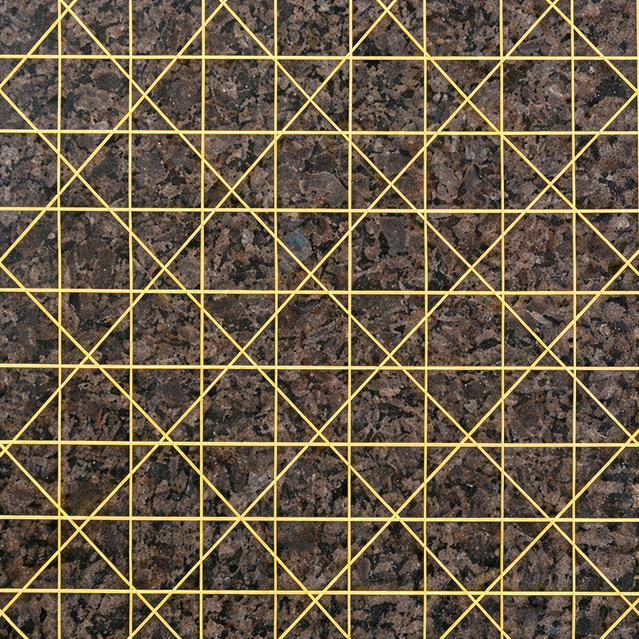
Laid scrims differ significantly from conventional woven fabrics:
Incidentally, our BAFA® laid scrims are also used as a production aid, for example in kiteboards, where a lightweight, self-adhesive polyester laid scrim is used.
In sports equipment manufacturing, every second counts. BAFA® laid scrims save manufacturers time in converting. They are usually processed as an intermediate layer in sandwich constructions, where they also prevent the layers from shifting.
BAFATEX supplies laid scrims wound on rolls, designed for automated production and high processing speeds. BAFA® laid scrims are easy to cut and punch, making them suitable for both manual processing and die-cutting lines.
Depending on the properties required, the following materials are available:
Glass fibre and carbon are the two most widely used materials for reinforcing rackets and bats, both offering a long service life under strongly fluctuating loads. Typical construction for a ski, for example: carbon weft yarns in BAFA® laid scrim 100/20 made from 1100 dtex black polyester combined with 1210 dtex Twaron®.
Several variables can be adjusted to tailor the reinforcement to your requirements:
Leiersmühle 19
51688 Wipperfürth/Germany
E-mail: info@bafatex.de
Phone: +49 (0) 22 67 87 13-0